
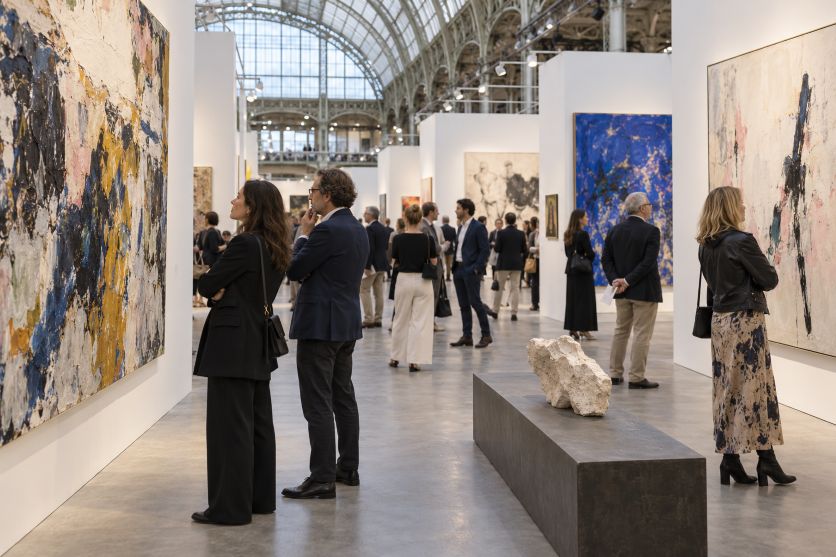
Frieze London and Frieze Masters run from 14 to 18 October 2026 in Regent’s Park, while PAD London takes place from 13 to 18 October in Berkeley Square. The schedules from Frieze and PAD bring contemporary art, historical works and collectible design into one concentrated week.
For collectors and designers planning the fourth quarter, the useful question is what deserves closer attention after the fairs. These six areas offer a practical starting point. Treat them as research priorities, rather than evidence that particular artists, materials or categories will rise in value.
1. Collectible Design Across Periods
PAD describes its programme as a meeting point for historical and contemporary design. That makes it useful for comparing objects across periods, rather than viewing each piece in isolation.
Designers can assess scale, surface and craftsmanship against a project brief. Collectors should ask about condition, restoration and edition details before deciding whether an object fits their collection.
2. Younger Galleries Worth Following
Frieze identifies Chemould CoLab, Galerina and Theta among the newcomers to Focus, its section for younger galleries. Returning participants include Brunette Coleman and Rose Easton.
Use these presentations to ask how artists are developing beyond a single fair appearance. Request exhibition histories and information about forthcoming projects. A gallery’s programme provides useful context for assessing an artist beyond the immediate appeal of their stand.
3. Painting Through Different Lenses
The September preview from Frieze highlights Dalton Paula at Lisson Gallery, Albert Oehlen at Gagosian and Marina Perez Simão at Pace Gallery.
These presentations offer different approaches to painting, from historical narratives to abstraction and landscape. For designers, compare how colour, dimensions and viewing distance affect a room. For collectors, consider how each work relates to the artist’s practice.
4. Historical Rediscoveries Need Research
Frieze Masters includes Spotlight, Reflections and Queering Modernism in its 2026 programme. Frieze presents these initiatives as opportunities to reconsider artists, collecting histories and established accounts of modern art.
That emphasis makes documentation valuable. Ask which exhibitions, publications and provenance records support a presentation. Rediscovery can deepen a collection, but curatorial attention alone should never replace careful assessment of the work.
5. Mount Street Broadens the Itinerary
Wallpaper* reports that the Mount Street Neighbourhood Arts Festival runs from 12 to 17 October. Photography leads this year’s programme, with Miles Aldridge’s portrait installation and a performance by Omari Douglas at Grosvenor Chapel.
These events widen the itinerary beyond buying. Designers can look for ideas in staging, image making and collaboration. Check individual booking requirements before building a schedule around a particular session.
6. Follow-Up Extends Into November
Frieze lists its online Viewing Room through 23 October and Frieze Sculpture through 1 November. These extensions leave time to revisit presentations and continue looking after the fairs close.
Use that breathing room to request documents, review budgets and arrange gallery conversations. For year-end planning, October can become a research checkpoint: identify priorities, test them against needs, and carry a shorter, better informed list into November and December.
The outcome may be a clearer direction rather than a purchase. Keep notes on unanswered questions and follow up while conversations remain fresh. That approach connects an intense week of looking with more deliberate decisions throughout the remaining quarter.