
When people evaluate auto detailing producten, they usually focus on one question, does the product work? Cleaning power, paint protection, and long-lasting shine are certainly important, but they are only part of the overall experience. Behind every successful detailing product is another factor that often goes unnoticed, product design.
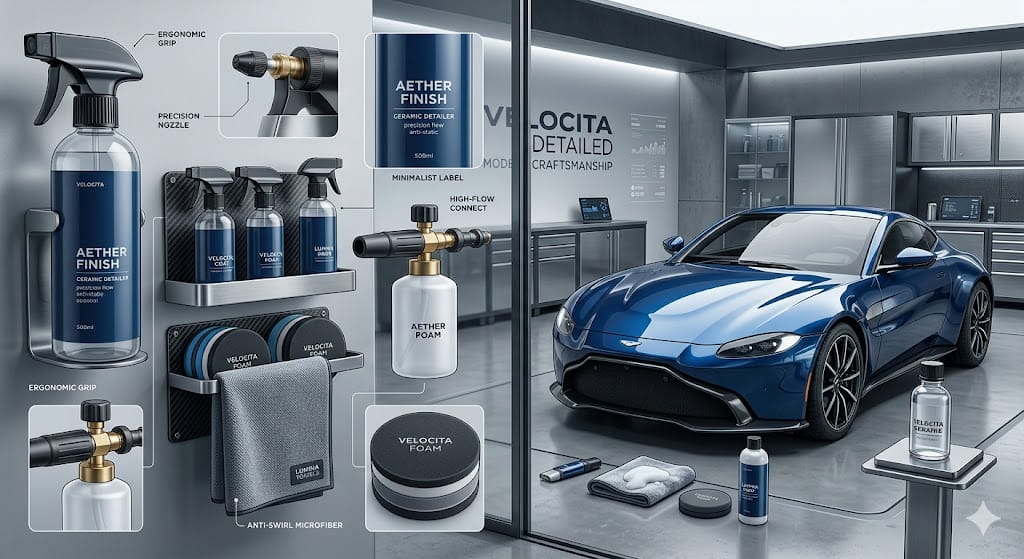
Modern auto detailing products are carefully engineered not only for performance but also for usability, safety, and visual appeal. Features such as ergonomic spray bottles, leak-resistant caps, intuitive labeling, and durable packaging all contribute to making detailing more efficient and enjoyable. Whether used by professional detailers or weekend car enthusiasts, well-designed products simplify the cleaning process while reinforcing confidence in the brand.
Ergonomic Design Makes Detailing Easier
Auto detailing often involves repetitive movements such as spraying, wiping, polishing, and buffing. Poorly designed bottles or applicators can quickly lead to hand fatigue, uneven application, or accidental spills. This is why ergonomics has become a major focus in product development.
Manufacturers now invest in bottle designs that fit comfortably in the hand and reduce strain during extended use. Trigger sprayers are engineered to require less force while delivering consistent spray patterns, making it easier to cover large surfaces evenly. Some ergonomic improvements include:
- Comfortable grip contours
- Lightweight bottle construction
- Smooth trigger mechanisms
- Adjustable spray nozzles
- Balanced weight distribution
These seemingly small improvements have a noticeable impact, especially for professional detailers who may use the same products for several hours each day. Better ergonomics increase efficiency while reducing physical fatigue, allowing users to focus more on achieving high-quality results.
Packaging that Protects both Product and User
Packaging serves far more than a marketing purpose. In auto detailing, it plays a critical role in protecting chemical formulations, preventing leaks, and ensuring safe storage.
Many detailing products contain specialized compounds that can lose effectiveness if exposed to excessive air, sunlight, or contamination.
Leak-resistant caps and secure seals help preserve product quality while preventing accidental spills during transport or storage.
This is why modern packaging often includes:
- Child-resistant safety caps
- Leak-proof bottle seals
- UV-resistant containers
- Durable materials that resist cracking
- Stable bottle bases to reduce tipping
These design choices improve product longevity while enhancing user safety. For professionals who transport multiple detailing chemicals between job sites, durable packaging is particularly valuable in preventing costly leaks and damaged equipment.
Clear Labels Improve Efficiency and Confidence
Auto detailing frequently involves multiple specialized products designed for different surfaces. A single detailing kit may include separate cleaners for wheels, glass, leather, tires, paint, trim, and interior plastics. Without clear identification, selecting the correct product can become confusing.
Thoughtfully designed labels simplify this process through visual organization and easy-to-read information. In fact today, there have been many manufacturers that are incorporating:
- Color-coded product categories
- Large, readable typography
- Clear usage instructions
- Safety warnings
- Surface compatibility icons
For example, blue labels may indicate glass cleaners, while green labels identify interior products and black packaging highlights tire dressings. This visual consistency reduces mistakes and speeds up workflow.
Professional detailers especially benefit from intuitive labeling, allowing them to identify products quickly without interrupting the detailing process.
Premium Design Builds Brand Trust
First impressions matter in every industry, including automotive care. Before customers experience a product’s cleaning performance, they interact with its packaging, branding, and overall presentation.
High-quality product design communicates professionalism and attention to detail. Premium packaging often suggests that the manufacturer has invested similar care into the product formulation itself. Effective branding elements include:
- Modern typography
- Consistent visual identity
- High-quality printing
- Durable label materials
- Clean, uncluttered layouts
While attractive packaging cannot replace product performance, it does influence purchasing decisions. Consumers often associate organized, professional design with reliability, innovation, and quality.
This is particularly important in the competitive auto detailing market, where dozens of products may offer similar cleaning claims. Strong product design helps brands stand out while creating lasting customer recognition.
Sustainable Design is Shaping the Future of Detailing Products
As environmental awareness grows, product design increasingly incorporates sustainability alongside functionality. Auto detailing manufacturers are exploring packaging innovations that reduce waste without compromising performance. Some good examples include:
- Refillable spray bottles
- Concentrated formulas requiring less packaging
- Recyclable plastic containers
- Reduced packaging materials
- Eco-friendly labeling and printing processes
Refill systems have become especially popular among professional detailers. Instead of purchasing multiple disposable bottles, users can refill durable containers from concentrated solutions, reducing both packaging waste and transportation costs.
Sustainable product design also extends to shipping efficiency. Compact packaging and lightweight materials lower fuel consumption during distribution while making products easier to handle.
As consumers become more environmentally conscious, thoughtful sustainable design is becoming an important competitive advantage.
Product Designs Bring Product Superiority
The success of modern auto detailing products depends on far more than their ability to clean, polish, or protect vehicle surfaces. Product design plays an equally important role in shaping how these products perform in real-world use.
Ergonomic bottles reduce fatigue, durable packaging preserves chemical integrity, intuitive labels improve efficiency, and premium branding builds customer confidence. At the same time, sustainable packaging innovations demonstrate how thoughtful design can support both user convenience and environmental responsibility.