
Surface materials influence how people experience interior spaces. Colour, texture, light, and pattern contribute to the visual identity of a room. Contemporary Irish interior design draws on natural materials, architectural simplicity, and modern manufacturing techniques. Wood and stone-effect wall panels offer contrasting ways to introduce character without relying heavily on decorative accessories.
The growing interest in functional decorative surfaces gives homeowners and designers more creative freedom. Collections of acoustic wall panels Ireland illustrate the variety of finishes available, including natural wood tones, concrete textures, and patterned stone effects. These options encourage designers to consider how wall treatments contribute to visual composition and acoustic comfort.
The Artistic Role of Natural Wood Finishes
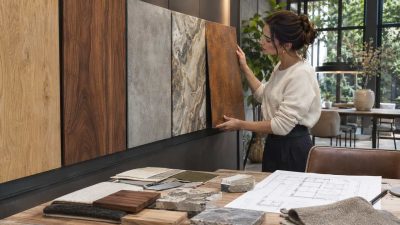 Wood introduces an organic quality that complements contemporary architecture. Its grain patterns and tonal variations create visual movement across otherwise plain surfaces. Vertical wooden slats can also establish a sense of rhythm within a room.
WoodSolutions, an Australian timber industry information resource, identifies colour, grain, and surface texture as important considerations when selecting interior timber panelling. These characteristics help distinguish different wood finishes.
- Light oak: Creates a soft, understated appearance that complements neutral colours and natural fabrics.
- Walnut: Introduces richer brown tones and a more defined sense of visual depth.
- Dark wood: Provides stronger contrast against pale walls, metallic details, and contemporary furniture.
Wood finishes can soften the appearance of rooms dominated by straight architectural lines. However, extensive use of darker tones may make smaller interiors feel visually enclosed. Careful placement helps maintain balance.
How Do Stone-Effect Panels Change the Visual Atmosphere?
Stone-effect panels offer a different artistic direction. Instead of the flowing grain associated with timber, they introduce mineral-inspired patterns, irregular markings, and industrial character. Their appearance can range from understated concrete to expressive weathered surfaces.
Concrete-inspired finishes work well within restrained colour schemes. Patterned stone introduces greater visual complexity, while rust-inspired surfaces add earthy orange and brown tones.
These finishes can complement exposed architectural features, black metal furniture, and simple geometric forms. They also provide an opportunity to recreate the visual qualities of mineral surfaces without necessarily installing solid stone.
The main design challenge involves maintaining proportion. Highly patterned surfaces may compete with artwork, furniture, or decorative flooring. Using them selectively allows their textures to become an intentional focal point.
Comparing Colour, Texture, and Visual Depth
Lighting can significantly change how wall finishes appear throughout the day. Natural wood often reveals subtle grain variations under directional lighting. Stone-effect surfaces may display stronger contrasts between their lighter and darker markings.
The Sustainable Energy Authority of Ireland (SEAI) explains in its lighting guidance that light quality and colour rendering affect how accurately people perceive colours. This principle is particularly relevant when comparing decorative surfaces.
Sustainable Energy Authority of Ireland
Furniture and surrounding materials also influence the overall composition. Oak panels can complement linen upholstery and ceramic accessories. Concrete-inspired finishes may work better alongside leather, brushed steel, and simple furniture silhouettes.
Neither finish requires a completely matching interior. Contrasting materials can create a more layered composition. A concrete-effect feature wall paired with wooden furniture, for example, introduces warmth without losing its industrial character.
Exploring Functional Wall Materials in Irish Interior Design
Decorative wall treatments can serve purposes beyond surface decoration. This is particularly relevant to open-plan homes, renovated properties, home offices, and multifunctional living spaces across Ireland. The integration of functional home features as part of interior art direction reflects a design approach where practical elements contribute to visual identity, spatial harmony, and everyday comfort.
Large windows, hard flooring, and extensive smooth surfaces can contribute to unwanted sound reflections. Decorative acoustic treatments offer a way to address these conditions while maintaining a consistent visual theme.
Research presented through the Acoustical Society of America highlights how strategically positioned sound-absorbing materials can help manage reflected sound and improve acoustic conditions within enclosed spaces.
Designers can therefore consider wall treatments as part of a broader spatial strategy. The objective is to achieve a comfortable environment without compromising artistic expression.
Why Acoustic Performance Goes Beyond Surface Appearance
A wooden finish does not automatically provide better sound absorption than a stone-effect alternative. Acoustic performance depends heavily on the complete construction of the panel.
Important technical considerations include:
- Backing materials: Porous or fibrous layers help absorb sound energy.
- Panel construction: Openings and spaces between slats influence how sound reaches absorbent materials.
- Installation depth: The distance between the panel and the underlying wall can affect absorption.
- Surface coverage: The amount and distribution of acoustic treatment influence overall room performance.
The International Organization for Standardization (ISO) establishes methods for measuring sound absorption through ISO 354. These measurements allow designers to compare acoustic materials using controlled testing rather than relying on appearance alone.
Technical guidance from Ecophon also identifies mounting depth as an important consideration when interpreting absorption measurements. Designers should examine product specifications and installation requirements before making decisions.
Matching Wall Finishes With Different Interior Design Concepts
Different artistic styles benefit from different approaches to texture. The surrounding architecture should guide material selection rather than temporary decorating trends.
Minimalist Interiors
Subtle concrete effects and light wooden finishes complement minimalist spaces. Both introduce texture without requiring elaborate decoration. Consistent colours help maintain visual simplicity.
Scandinavian Interiors
Light oak complements the natural materials, pale colours, and functional furniture commonly associated with Scandinavian design. Soft textiles can further reinforce a relaxed atmosphere.
Industrial Interiors
Concrete, patterned stone, and rust-inspired finishes reflect the raw aesthetic of industrial architecture. Dark wooden accents can introduce contrast and prevent the space from appearing overly cold.
Contemporary Interiors
Contemporary spaces allow greater flexibility. Walnut panels, mineral-inspired surfaces, and understated furniture can coexist within a carefully balanced composition. Repeating selected colours throughout the room helps connect contrasting materials.
Conclusion
Natural wood and stone-effect wall panels offer distinct artistic possibilities for contemporary Irish interiors. Wood introduces organic movement and visual warmth, while mineral-inspired finishes provide architectural character and expressive textures.
Neither material style is universally better. The appropriate choice depends on artistic intent, room dimensions, lighting conditions, and functional requirements. Acoustic performance also deserves independent consideration.
As decorative materials continue to evolve, thoughtful material selection can help create interiors where visual expression and everyday comfort exist in balance.